

About the institute
Overview
Where the institute stands: its affiliation and approval, its campus and buildings, and life on campus.
The institute
About
Kalyani Government Engineering College (KGEC) was established by Govt. of West Bengal in the year 1995. The college is affiliated with Maulana Abul Kalam Azad University of Technology, Kolkata, West Bengal. KGEC is among the top engineering colleges of West Bengal. It is one of the finest engineering institutes in the country, it is a community of learners, striving to educate the mind, nurture the spirit, and foster the development of the whole individual. KGEC has 10 academic departments (Computer Science and Engineering, Electronics and Communication Engineering, Electrical Engineering, Mechanical Engineering, Information Technology, Computer Application, Physics, Chemistry, Mathematics and Humanities) offering B.Tech, M.Tech and MCA courses. KGEC has about 1700 students, 70 teachers, and 100 technical and supporting staff members. We have more than 50 labs and 10 research facilities in the college. The curriculum of the college is in line with that of the affiliating university. The academic calendar issued by the affiliating university forms the basis for designing the college academic calendar. The college academic calendar consists of the commencement date and last working date, teaching periods, dates for the conduction of the internal assessment tests etc. At the outset, the Principal of the institution conducts meetings regularly with the Heads of Departments to develop various strategies for the effective implementation of the curriculum. The decisions are reviewed and thereafter accepted by the Faculty Council, the highest academic body of the college chaired by the Principal. The development & deployment of processes and action plan for effective implementation of the curriculum are detailed below: After admission, the first-year students are given an interactive orientation programme. The Heads of the Department deliver the presentation about the road map of total programme courses with the curriculum of core subjects, the course outcomes and how the supportive subjects are enjoined at different stages as prerequisites. Each department exclusively has a set of Vision and Mission, which are aligned with the Vision and Mission of the College. Programme Outcomes (PO) are scripted for each programme and Course Objectives and Course Outcomes (CO) are defined for each course. The Head of the department conducts meetings with the faculty before the commencement of the semester, in which subject allocations are made, and identifies course coordinators and class mentors. The course coordinator plans & delivers the course contents, takes care of designing course objectives & outcomes, maps COs with POs, sets benchmarks/targets for student performance, preparation of Teaching Plan, identifies delivery modes, develops the teaching materials and aids, ascertains the content beyond syllabus relevant to the course scheduling and executing remedial classes for weak students. Every course coordinator prepares the course file which contains the academic calendar, a copy of the syllabus, lesson plan, unit-wise class material, unit-wise assignment questions, University questions and award lists. Well-structured lesson plans are prepared/ revised for all theory and practical courses on a period-to-period basis and are made available for students' access. They are periodically reviewed by IQAC members and academic auditors.
The class mentor monitors all courses in the class working along with the Course Coordinator, monitors the syllabus coverage in class, and supports the overall conduction of the Teaching-Learning process in the classroom. HOD is overall in charge of the proper functioning of the academic system. He monitors the delivery of courses, and achievement of outcomes, and designs corrective measures whenever and wherever necessary. College implements Outcome Based Education in which Teaching Learning is made student-centric. Seminar halls and E- classrooms with facilities of advanced teaching aids such as LCD projectors and WI-FI are provided where students participate in group discussions and seminars. Faculty and students have access to NPTEL video lectures for effective teaching-learning practices. The college organizes workshops, and guest lecturers to encourage industry-academia interface among students and faculty members on a regular basis. Industrial visits are arranged for the students to be familiar with the industrial process to study in the curriculum. There are 5 boys’ hostels, one girl’s hostel, and one guest house. 3 playgrounds. 75 acres of land, well developed library with hardbound and digital books with computerized distribution system, optical fiber networking throughout the campus and hostels for internet facility, different activity clubs for students and staffs, faculties and staff quarters, and backup Diesel Generator facility. The Placement Cell of the college is a very strong and experienced one with a permanent placement officer. Every year, a number of top-notch companies like TCS, Cognizant, Microsoft, Google, M N Dastur, Tech Mahindra, Hindustan Unilever, Infosys, Flakt, Capgemini etc. visit our campus to recruit our final year students. The students of our college are very vibrant as they organise programmes annually. They have formed a number of clubs and these clubs organise various events throughout the year. The Entrepreneurship Cell of Kalyani Government Engineering College came into existence with the aim to promote a start-up culture among college students and help them find their true potential in the domain of entrepreneurship. KGEC E-Cell provides structure, support and guidance to the students who are willing to utilize their ideas and passion for initiating new thinking. This encourages the students to participate in Coding Competitions and Hackathons and they bring accolades in the events. In the exciting enterprise of E-cell, the contributions made by our alumni have been commendable. The college faculty members take part in active research activities. They register their PhD students under MAKAUT and other eminent Universities of our nation. The research output in the form of publications is quite satisfactory. KGEC publishes its own scholarly national-level journal namely 'REASON-A Technical Journal'. The preparation for NAAC Accreditation of KGEC is in full swing and we also thrive to become an autonomous institution very soon.
Activities
Conferences, workshops, seminars and academic fairs are held on a regular basis in the campus. There is a separate Training & Placement Cell headed by TPO (Training & Placement Officer) through which vocational training and final placement of students is conducted. KGEC is known for producing industry ready professionals every year. And, the institute has an excellent placement record in the past several years.
Campus
Kalyani Government Engineering College has a beautiful lush green pollution free campus spawning over 75 acres. Which is located on the northern periphery of University of Kalyani. The campus is well connected be it the Kolkata International Airport or, Sealdah and Howrah Railway Stations. Intercity Bus Terminus at Kolkata is within a radius of about 70km from the campus and accessible by modern express way.
Infrastructure
KGEC has state of the art well maintained infrastructure with all the modern facilities for the students like smart classrooms, interactive conference rooms etc. Library and laboratories are connected to LAN. KGEC Central Library is a fully automated e-Library provides books, e-journals, e-books, CDROMs/DVDs, OPAC (Online Public Access CatLog) CWIS (Campus Wide Information System), e-Databases, e-journals and much more. There are also departmental libraries of each discipline.
Vision and mission
Vision
The vision of Kalyani Government Engineering College is to produce high quality, globally competitive technical manpower and become a centre of excellence in a few select areas of high-end technologies. It also envisages to act as an incubation cell for entrepreneurship activities in the region in association with the industry houses of the locality and outside. Keeping pace with the global technological developments through continuing education program is its another cherished ambition.
Mission
The mission of Kalyani Government Engineering College is to impart quality technical education to the students at the undergraduate and at the postgraduate levels of engineering with the aim to make them complete human beings possessing depth of knowledge not only in their own discipline but also in the kindred areas, which shall necessarily be accompanied by a wide mental horizon making them capable of sifting the grain from the chaff, the honesty from chicanery, the truth from the untruth.
Campus buildings
The academic and administrative buildings of the campus.
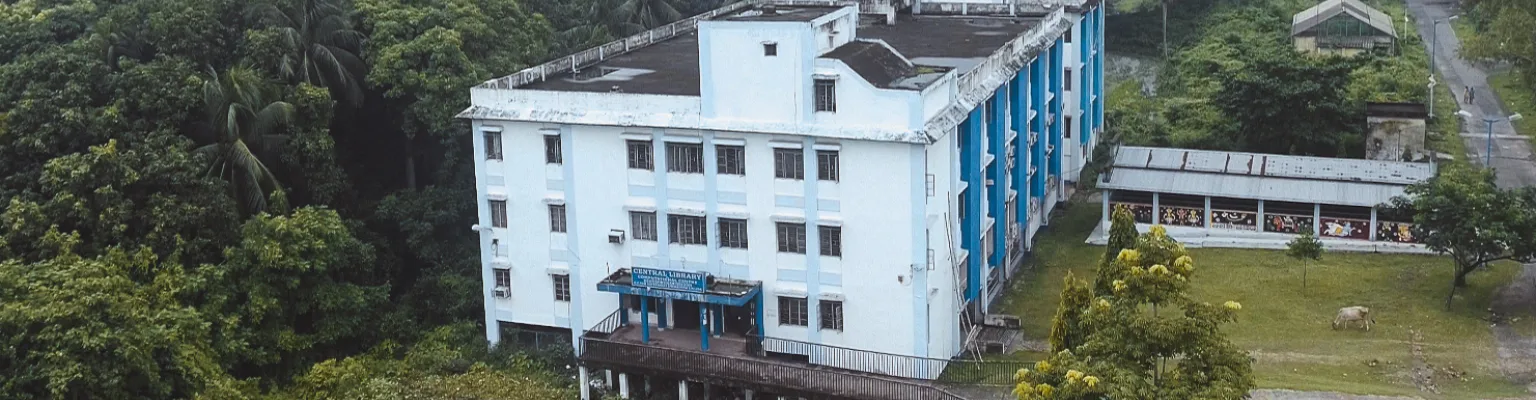
Meghnad Saha Bhavan
Central Library.
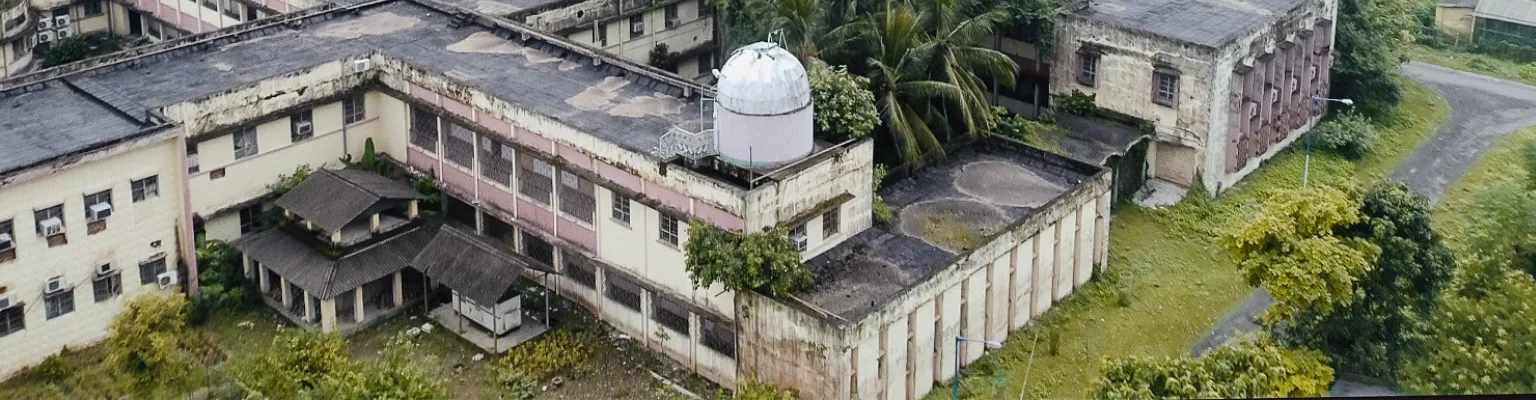
Satyendra Nath Bose Bhavan
The older building, opposite MSB.
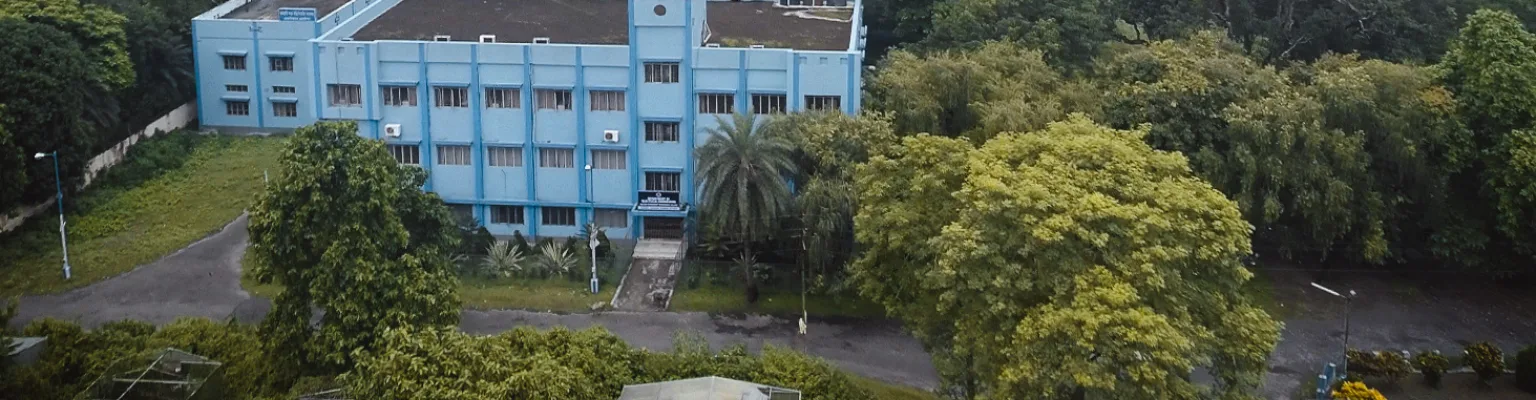
Acharya Jagadish Chandra Bose Bhavan
Electrical workshop.
Mechanical Workshop
Beside JCB.
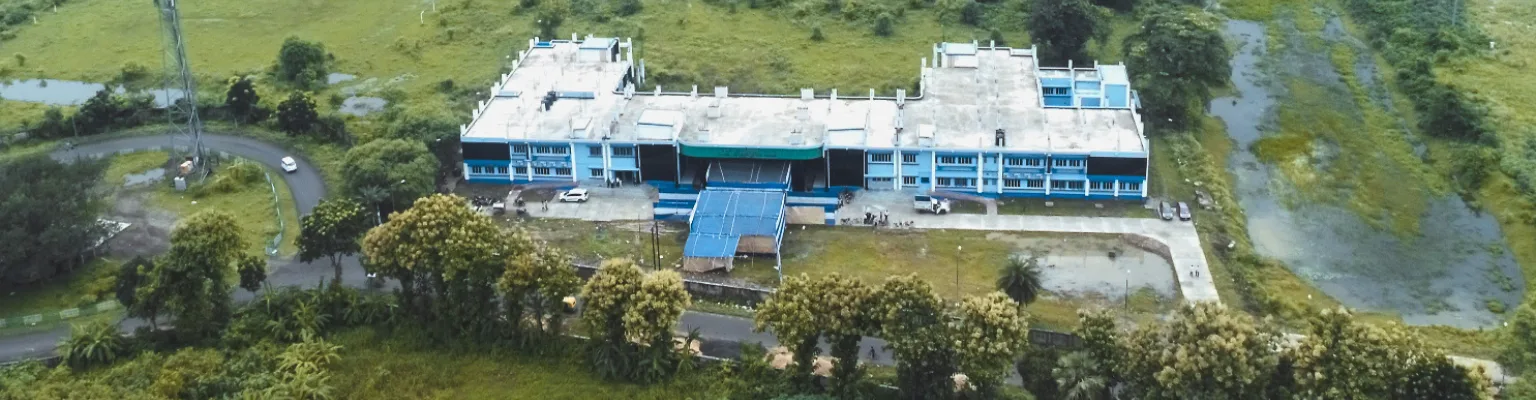
Academic cum Administrative Building
The newer building.
Campus life and residence
Campus life at KGEC goes beyond the classroom. Students live in the college hostels, join clubs in art, music, coding, robotics, sports and more, and organise annual fests such as Espektro, Exotica and Techtix.
The library, workshops, playgrounds and common rooms give students places to study, build and relax between classes.