
Computer Science & Engineering
Overview
The Computer Science & Engineering (CSE) department focuses on computing systems and software, covering programming, algorithms, data structures, AI, cybersecurity, and software engineering. The program equips students with technical skills to excel in software development, data analysis, and innovation across various technology-driven industries.
Vision and mission
Vision
To be a department of eminence in teaching learning process and research that produces across-the-board global professionals with profound technical knowledge, strong computational background, human and entrepreneurial qualities for significant contribution to the society.
Mission
- To endeavor cutting-edge computational and technical knowledge through innovative ICT based teaching-learning process.
- To develop academic as well as an industry-oriented cutting-edge global research framework.
- To inculcate strong leadership quality with lifelong learning appetite.
- To endure human values and ethos among students through socio-economic and community development activities
Message from the Head of Department
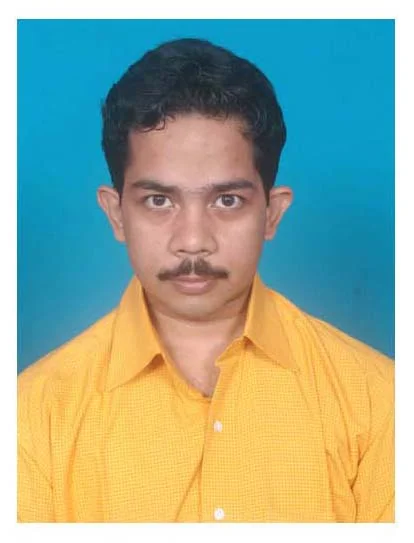
Dr. Kousik Dasgupta
Head of Department, Computer Science & Engineering
Welcome to the department. We teach with a focus on strong fundamentals, practical work in the laboratory, and habits of honest, careful thinking.
Our students and faculty work together on projects, research and activities beyond the syllabus. I invite you to explore the pages of the department.
Notices and circulars
Recent notices, circulars and the class routine of the department.
Programmes offered
Programmes offered by the department.
Computer Science and Engineering
- Approved intake
- 60
Computer Science and Engineering
- Approved intake
- 21
Programme objectives and outcomes
Programme outcomes (PO) – UG
- 1Engineering Knowledge: Apply the knowledge of mathematics, science, engineering fundamentals, and an engineering specialization to the solution of complex engineering problems.
- 2Problem Analysis: Identify, formulate, review research literature, and analyze complex engineering problems reaching substantiated conclusions using first principles of mathematics, natural sciences, and engineering sciences.
- 3Design/development of solutions: Design solutions for complex engineering problems and design system components or processes that meet the specified needs with appropriate consideration for public health and safety, and the cultural, societal, and environmental conditions.
- 4Conduct investigations of complex problems: Use research-based knowledge and research methods including design of experiments, analysis and interpretation of data, and synthesis of the information to provide valid conclusions.
- 5Modern tool usage: Create, select, and apply appropriate techniques, resources, and modern engineering and IT tools including prediction and modeling to complex engineering activities with an understanding of the limitations.
- 6The engineer and society: Apply reasoning informed by the contextual knowledge to assess societal, health, safety, legal and cultural issues and the consequent responsibilities relevant to the professional engineering practice.
- 7Environment and sustainability: Understand the impact of professional engineering solutions in societal and environmental contexts, and demonstrate the knowledge of, and need for sustainable development.
- 8Ethics: Apply ethical principles and commit to professional ethics and responsibilities and norms of the engineering practice.
- 9Individual and team work: Function effectively as an individual, and as a member or leader in diverse teams, and in multidisciplinary settings.
- 10Communication: Communicate effectively on complex engineering activities with the engineering community and with society at large, such as, being able to comprehend and write effective reports and design documentation, make effective presentations, and give and receive clear instructions.
- 11Project management and finance: Demonstrate knowledge and understanding of the engineering and management principles and apply these to one's own work, as a member and leader in a team, to manage projects and in multidisciplinary environments.
- 12Life-long learning: Recognize the need for, and have the preparation and ability to engage in independent and life-long learning in the broadest context of technological change.
Programme educational objectives (PEO) – UG
- 1Possessing comprehensive background of basic science, mathematics and engineering, enabling them to solve problems of Computer Science and interdisciplinary fields.
- 2Performing well in their profession and / or excel in higher education in computer science and engineering discipline.
- 3Exploring and creating innovative technological products based on logical ability.
- 4Developing social and environmental concerns in engineering.
- 5Creating capability for being a lifelong learner.
Programme specific outcomes (PSO) – UG
- 1Understand, analyze and develop computer programs in the areas related to algorithms, system software, multimedia, web design, big data analytics and networking for efficient design of computer-based systems of varying complexity.
- 2Apply standard Software Engineering practices and strategies in software project development using open-source programming environment to deliver a quality product for business success.
- 3Be acquainted with the contemporary issues, latest trends in technological development and thereby innovate new ideas and solutions to existing problems.
Faculty and staff
Faculty and staff of the department.
Dr. Kousik Dasgupta
Head of Department
Dr. Anup Kumar Biswas
Assistant Professor
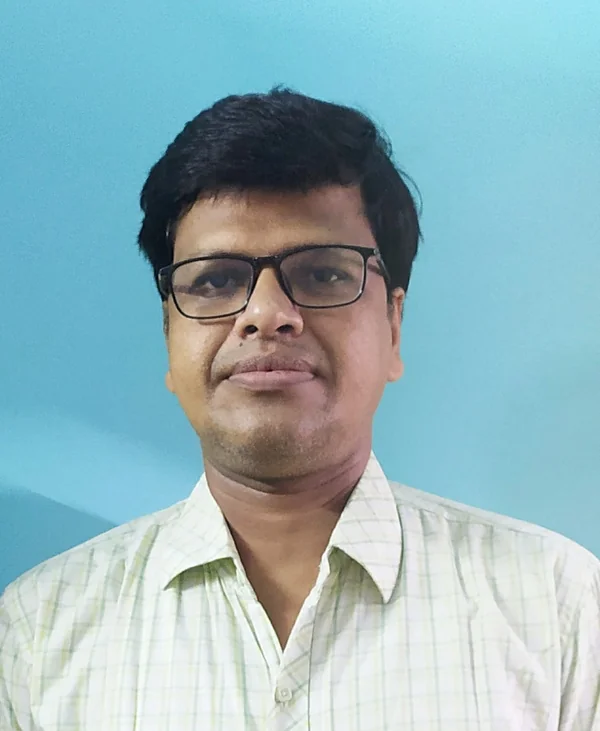
Dr. Sudip Kumar Adhikari
Assistant Professor
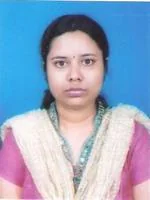
Manju Biswas
Assistant Professor
Dr. Arindrajit Pal
State Aided College Teacher (SACT)
Dr. Arun Kumar Sadhu
State Aided College Teacher (SACT)
Dr. Subhankar Ghosh
State Aided College Teacher (SACT)
Dr. Tanmoy Chakraborty
State Aided College Teacher (SACT)
Mr. Deepak Kumar Jha
State Aided College Teacher (SACT)
Mr. Kuntal Bhowmick
State Aided College Teacher (SACT)
Mr. Pramit Brata Chandra
State Aided College Teacher (SACT)
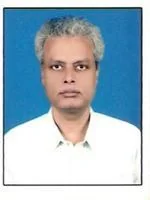
Mr. Pranab Ranjan Das
Technical Assistant
Laboratories
Laboratories of the department.
Laboratory details are coming soon.
Research and grants
Research and funded projects led by the department.
No research projects to list at the moment.
Documents
No documents at the moment.
Seminars and workshops
No seminars or workshops at the moment.
Events
Events organised by the department.
No events at the moment.